
Hold Decisions That Hold Up: Video Poker Strategy Review
The smoke hangs low over the laneway as the sun drops behind the Harbour Bridge, and the clatter of a worn jacks-or-better machine echoes off the brickwork. That steady rhythm of deal, hold, discard, and redraw is what separates a casual spin from a disciplined session, and it is exactly where a proper video poker strategy for hold decisions earns its keep. You do not need a mathematics degree to read a paytable, but you do need enough discipline to let the odds do the heavy lifting while the art direction and lobby organisation keep you engaged.
Paytable Literacy And Lobby Navigation
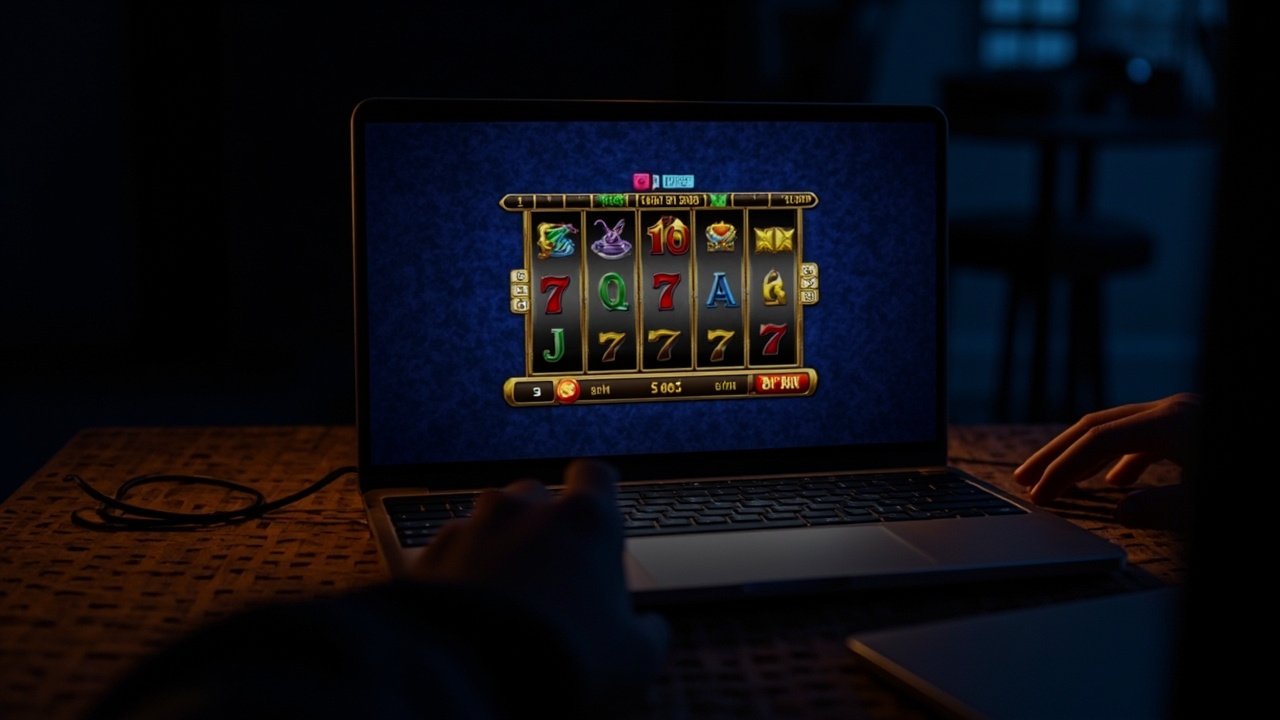
A tight paytable is the whole game, and the lobby should make that obvious before you commit a single credit. The best video poker strategy for hold decisions starts with scanning for full-pay 9/6 Jacks or Better variants, where the royal flush and four-of-a-kind lines sit at healthy multiples rather than the stripped-down 8/5 versions that quietly bleed expected value. Tower rush online with skill-based payouts keeps its video poker row grouped by paytable class, so the full-pay machines sit near the top of the grid instead of buried behind a wall of progressives and low-edge promos. Providers rotate their catalogues on a weekly cycle, and the search tool lets you filter by denomination, number of hands, and volatility band without scrolling through endless branded skins. The lobby art direction leans into a warm, coastal palette with clean type and readable payline icons, which matters because a cluttered screen makes hold decisions feel rushed when you should be slowing down. Mobile play mirrors the desktop layout, with touch targets sized for hold buttons rather than tiny tap zones that lead to accidental discards.
Building Hold Discipline Across Three Scenarios
Reading The First Deal On Jacks Or Better
The first deal is where most sessions go off the rails, because instinct pushes you to hold a high card or a weak pair when the maths says otherwise. A proper video poker strategy for hold decisions treats a singleton high card as a draw to a royal or straight flush, not a reason to lock it away and pray for a pair. You hold any pair of jacks or better, any four-card straight flush, and any three-of-a-kind when the fifth card is irrelevant to the draw. The tricky middle ground is the four-card flush draw versus the low pair, and here the paytable dictates the call: on a 9/6 game the flush draw carries enough expected value to beat a low pair, while on an 8/5 table the low pair often wins the maths fight. Callum Hall, Lead Gaming Analyst, Sunburnt Country Interactive, notes that players who chase top-pair instinct on every deal quietly surrender two to three percent of return over a session, which is exactly the gap between a recreational seat and a disciplined one.
Four-Card Straights, Flushes, And The Discarding Trap
The discarding trap shows up when a four-card straight and a four-card flush compete for the same five cards, or when a low pair sits next to a four-card royal draw. A video poker strategy for hold decisions keeps the hierarchy simple: four-card royal flush beats everything, four-card straight flush beats a low pair, and a four-card flush draw beats a low pair on full-pay tables but loses on short-pay tables. Straights are trickier because the number of outs depends on whether the straight is open-ended or inside, and inside straights with few outs should often be folded back to the high cards or the pair. The art of the hold is knowing when to break a pair to chase a flush or straight, and that break-even point shifts with every paytable tweak. Bankroll management matters here because chasing marginal draws with a thin stack turns a mathematically sound hold into a session-ending swing, so the lobby’s denomination ladder should match the size of the draw you are willing to take. tower rush online with skill-based payouts
Bonus Lines, Multi-Hand Play, And When To Slow Down
Multi-hand video poker looks seductive because it multiplies the action, but it also multiplies the temptation to hold weak draws across every line. A video poker strategy for hold decisions treats multi-hand as a pacing tool rather than a way to outrun the edge, and the bonus mechanics should be read before you spin. Some lobbies attach progressive bonuses to royal flushes or four-of-a-kind hits, which slightly shifts the hold calculus toward keeping cards that build those specific hands. Other tables offer a small bonus for certain low pairs or straight flushes, and those lines can justify holding a marginal draw that a base game would discard. The rule of thumb is to slow down when the bonus structure is complex, because speed is the enemy of discipline and a rushed hold on a multi-hand table costs more than a single-line mistake. Loyalty points accrue at a fixed rate per credit wagered, and the redemption tiers are published in the terms, so the pace of play should match the value you place on those rewards rather than chasing them with over-bet hands.
Player-Fit Scenarios For Sydney Sessions
The right fit depends on how you want to spend an arvo at the screen, and the lobby should support both the disciplined single-line player and the multi-hand explorer. If you are working from a corner desk in Sydney with a clear view of the harbour and a stack sized for a steady session, the single-line full-pay machines give you the clearest read on hold decisions without the noise of multiple discards competing for attention. If you prefer a busier setup with a touchscreen and a moderate bankroll, the two- or three-hand tables let you vary your holds across lines while keeping the base strategy intact, provided you do not let one weak line pull your discipline off course. Registration uses local identity checks and an Australian dollar wallet, with withdrawals routed through the same verified path, so the session stays within the same currency and limit structure from the first deal to the final redraw. Support sits in the same lobby layer as the game grid, which keeps the help path short when a paytable or bonus term needs a second read before you commit.

A proper video poker strategy for hold decisions is less about chasing the royal and more about letting the paytable, the draw, and the bankroll size speak to each other in plain terms. The machines that reward discipline are the ones where the art direction stays readable, the lobby keeps full-pay tables visible, and the hold buttons are sized for a steady hand rather than a hurried tap.